Contractors
Contractor Proof of Work: Close Maintenance Jobs With Evidence
How facilities teams can close contractor maintenance jobs with photos, checklists, sign-off notes and proof-of-fix records.
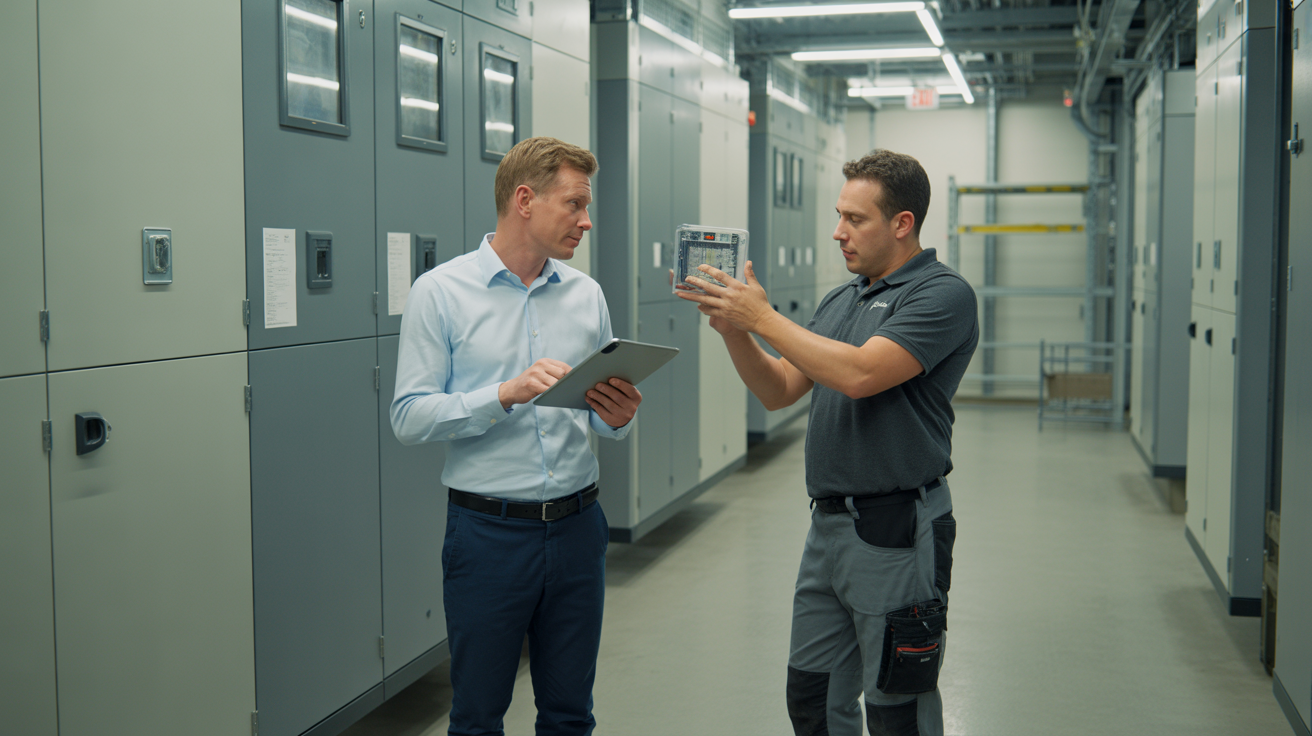
"Done" is not the same as proved.
That matters when a maintenance job is handled by a contractor. The site manager may not be standing next to the repair. The facilities lead may be covering several buildings. The person who reported the fault may have gone home. By the time the invoice arrives, everyone is relying on a message that says the work has been completed.
Sometimes that is fine. Often it is not enough.
If a leaking tap, damaged door closer, faulty light, loose handrail, plant room issue or gym equipment fault needed a contractor visit, the close-out record should answer a few basic questions:
- What was the original issue?
- Who attended?
- What did they do?
- What evidence shows the work was completed?
- Who reviewed it before the job was closed?
- What still needs follow-up, if anything?
Contractor proof of work does not need to become a heavy compliance exercise for every small job. But it does need to be more reliable than a WhatsApp photo, an invoice line and someone's memory.
Why contractor evidence matters
Physical-space teams deal with a mix of reactive repairs, routine checks, planned maintenance and specialist work. Some jobs are simple. Some involve equipment, access, isolation, safety-critical parts, working at height or areas used by staff, customers, guests, pupils, tenants or contractors.
HSE guidance on maintaining work equipment is clear that maintenance should be planned, carried out by competent people where required, and backed by arrangements that keep equipment in a safe condition. It also warns against ignoring reports of damaged or unsafe equipment.
That gives facilities teams a simple operational test: if a job was important enough to assign, it should be clear how it was closed.
Good proof-of-work records help with:
- day-to-day confidence that the work was actually completed
- fewer return visits caused by unclear contractor notes
- better conversations when an invoice does not match the agreed job
- easier handovers between shifts, sites and managers
- cleaner evidence if an issue returns
- stronger records for insurers, audits, client reporting or internal reviews
The aim is not to bury contractors in admin. The aim is to make the final mile of the job visible.
Define proof before the job starts
The worst time to decide what evidence you need is after the contractor has left site.
A better approach is to define the proof required when the job is assigned. For a low-risk repair, that might be a completion note and one clear photo. For more involved work, it might include before-and-after photos, a checklist, a certificate, a test result, a serial number, a comment about parts used, or a follow-up action.
The works instruction should be specific enough that the contractor knows what "complete" means.
For example:
- "Replace damaged washroom lock. Upload a photo of the finished lock and note whether the door closes correctly."
- "Investigate corridor lighting fault. Add before-and-after photos, confirm affected fittings, and note whether any further electrical work is required."
- "Repair loose handrail. Upload photos of fixings after repair and add any recommendation if the surrounding wall is damaged."
- "Service gym treadmill. Add service checklist, proof photo and note whether the machine can return to use."
- "Inspect recurring leak above store room. Add photos, likely source, temporary action taken and recommended next step."
This turns proof into part of the job, not an awkward request afterwards.
Use the right evidence for the risk
Not every job needs the same close-out pack. A contractor replacing a cracked toilet seat should not need the same process as a specialist inspecting lifting equipment or working in a plant room.
Use a simple evidence ladder.
For routine jobs, ask for:
- completion photo
- short note on what was done
- contractor name or company
- date completed
For jobs with visible damage or public impact, add:
- before-and-after photos
- location confirmation
- notes on whether the area can be used again
- manager review before closure
For specialist, safety-sensitive or regulated work, add:
- relevant certificate, report or test result
- checklist against the agreed scope
- record of defects found
- follow-up actions or limitations
- named review by the responsible manager or competent person
This keeps the process proportionate. The team gets enough evidence for the job without turning every small fix into a paperwork marathon.
Make photos useful, not decorative
Proof photos are only useful if they show the right thing.
A blurry close-up of a fitting may prove that a photo was taken, but not that the problem was fixed. A wider shot may show the location but miss the actual repair. The best records usually include both context and detail.
For contractor close-out, ask for photos that show:
- the area or asset, so the location is obvious
- the defect before work starts, where possible
- the completed repair from a useful angle
- any part, fitting, label or component that matters to the record
- the state of the surrounding area if safety or access was involved
Avoid relying on photos alone. A good completion note still matters. It can explain what changed, what was tested, what could not be completed, and what should happen next.
In SnagDeck, proof photos and comments stay with the job history, so a manager is not hunting through chat threads when the same issue is queried later.
Review the evidence before closing
A job should not automatically close just because someone tapped "complete".
The review step can be quick:
- Check the original report and job scope.
- Review the contractor note.
- Open the proof photos or attachments.
- Confirm the location and affected asset match the job.
- Decide whether the evidence is good enough to close.
- If not, return it with a clear comment.
This protects both sides. The site team can catch incomplete work before it disappears into the archive. The contractor has a clear record of what was accepted and when.
It also helps with repeat issues. If the same fault reappears next month, the team can look back and see whether the previous job was a genuine fix, a temporary repair, or a recommendation that never became follow-up work.
Capture exceptions properly
Not every job ends neatly.
Sometimes the contractor cannot access the area. Sometimes the fault is worse than expected. Sometimes parts are needed. Sometimes a temporary fix is made and a second visit is required. Sometimes the reported issue is not found.
Those exceptions are where good records matter most.
A close-out process should let the contractor or manager record:
- access failed
- job partially completed
- temporary fix only
- parts required
- further investigation needed
- specialist contractor required
- issue not found
- unsafe to use until follow-up
That note should not vanish into a text message. It should create the next action: a new job, a changed priority, a contractor return visit, a planned maintenance task, or a manager decision.
Without that loop, "complete" becomes a hiding place for unfinished work.
Keep contractor records connected to the site
The value of proof-of-work records grows over time.
A single proof photo answers today's question. A searchable job history answers better questions later:
- Which contractor last worked on this asset?
- How many times has this issue returned?
- Was the last job accepted or queried?
- Did we receive the certificate or report?
- Which sites are creating the most contractor callbacks?
- Are we spending money on repeated fixes where replacement would be smarter?
For property managers, gyms, hotels, schools, offices and multi-site teams, that history is often more useful than a standalone invoice. It connects the commercial record to the physical problem.
SnagDeck keeps jobs tied to sites and areas, with comments, status changes and proof photos in one place. That makes it easier to build a record around the real location instead of around scattered messages.
Do not make contractors fight the system
The process only works if contractors can use it on site.
If proof capture takes ten minutes, requires a desktop login, or sends contractors through a maze of forms, people will work around it. Then the evidence returns to email, text messages and attachments with no context.
Keep it simple:
- use mobile-friendly job updates
- make the evidence requirement clear in the job brief
- ask for the minimum proof that matches the risk
- use checklists for repeat work
- accept short, plain-language notes
- review quickly so queries are raised while the visit is fresh
For recurring contractors, this becomes part of the working rhythm. For occasional contractors, the job needs to explain itself.
The lighter the capture process, the more complete the record usually becomes.
A practical contractor close-out workflow
- Capture the original issue with location, category, notes and photos.
- Review the issue before assigning work.
- Assign the job to the contractor with a clear scope.
- Define required evidence before the visit starts.
- Let the contractor add photos, notes and attachments from site.
- Record exceptions as follow-up actions, not vague comments.
- Have a manager review evidence before final closure.
- Keep the proof with the job history for future reference.
That is the difference between a task list and a usable maintenance record.
The simple test
Pick five contractor jobs from the last month and ask:
- Could someone who was not there understand what was fixed?
- Is there proof the contractor attended the right location?
- Are the photos clear enough to support the close-out?
- Is there a named person or company attached to the work?
- Were exceptions captured and followed up?
- If the issue came back tomorrow, would the previous record help?
If the answer is no, the team does not need a bigger system. It needs a clearer close-out habit.
SnagDeck's promise is simple: report issues, assign jobs and prove it is fixed. Contractor proof of work is where that promise becomes especially useful. It gives the team confidence that completed work is not just marked off, but properly evidenced and easy to find when it matters.